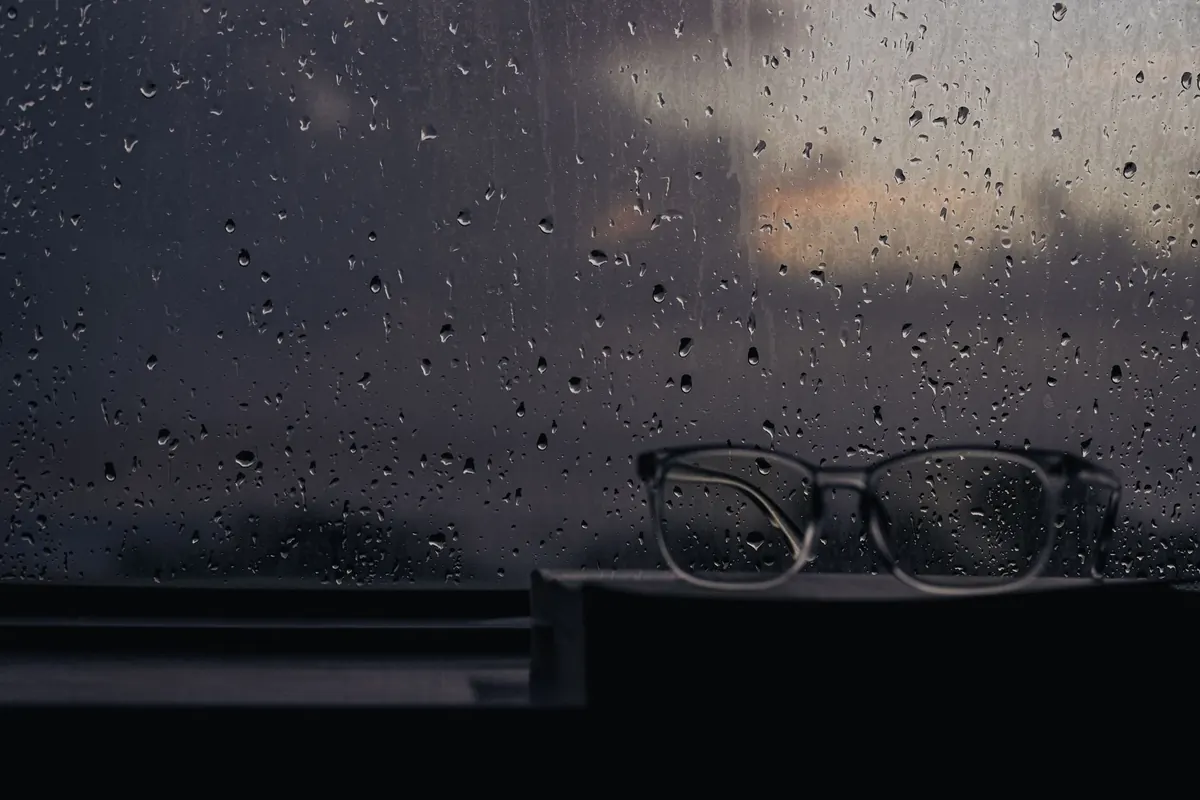
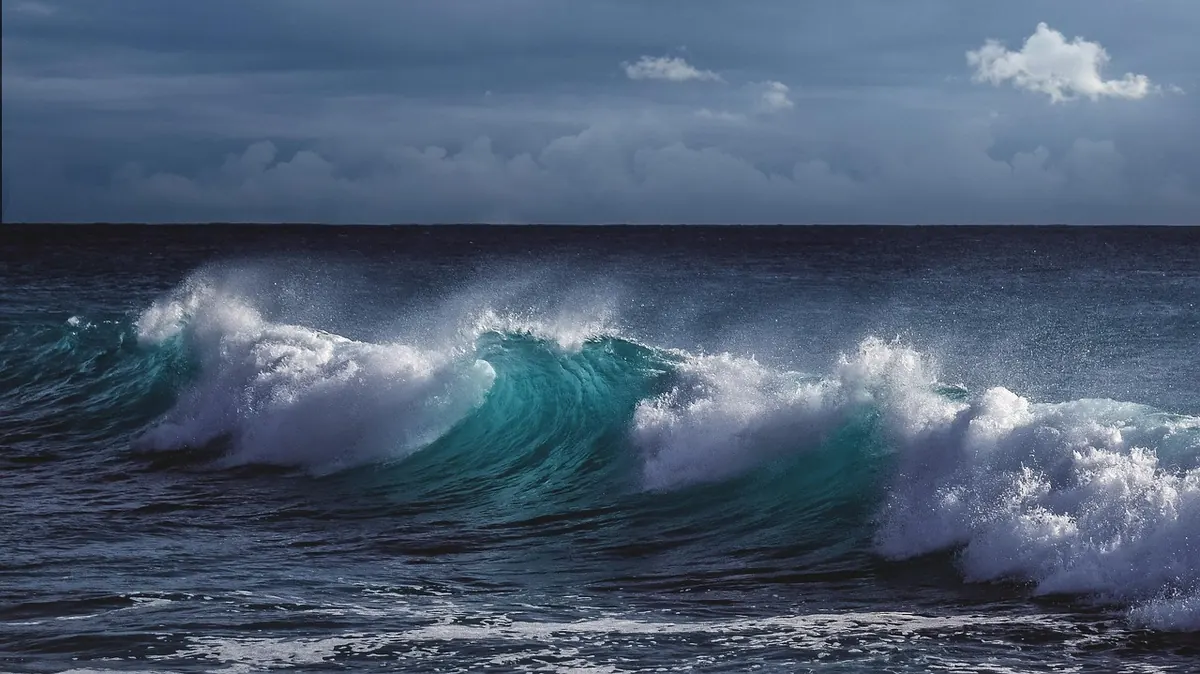
Rain does something useful to a coastline. It empties the promenade, softens the diesel smell in a harbor, and pushes people into doorways where they have to stand closer than they planned. A good writing prompt does not ask you to describe weather. It puts a specific person in a specific corner of the coast with something at stake, and lets the rain do the pressure work.
Below are thirty prompts, grouped by setting, for the kind of afternoon when the windows are streaming and the walk can wait. Each one comes with a small push toward what makes it land on the page. Take one. Set a timer for twenty minutes. Do not wait for the perfect first sentence.
Before You Start: Rain Is a Constraint, Not a Backdrop
Writers reach for rain when they want sadness, and that instinct flattens a scene fast. Rain is more interesting as a physical fact. It muffles footsteps, so a character cannot hear someone coming. It ruins a paper object. It makes a decision urgent because the walk home is fifteen minutes and the tide is already turning.
So pick one sense to lead with before you begin. Sound is usually the richest on a coast: rain on a tin roof, on a fibreglass hull, on an awning, on water itself, which is almost silent. Smell is second. Sight is the one most writers overuse, and the least interesting once everything is grey.
One more rule worth keeping: let something happen besides weather. A person arrives, a thing is found, a question gets asked. The rain only matters if it makes that arrival, discovery or question harder to avoid.
Seven Harbor Prompts
Harbors give you enclosed space, working people, and the constant possibility of departure. Use that.
- 1. The last ferry out. A deckhand notices one passenger who has not moved from the stern rail. Write the exchange. Give the passenger one object they keep touching.
- 2. Three in the morning, the bilge pump. Someone is called down to a boat that is taking on water. Write only what they can see by torchlight, and one thing they hear but cannot place.
- 3. The hull name. A man repaints a boat's name in the rain, badly, because the paint will not hold. Let another character watch without offering to help.
- 4. The harbormaster's log. Write a single day's entries in the flat, procedural voice of someone who has seen everything. Then break the voice with one line that does not belong.
- 5. Two strangers, one awning. They have eight minutes before the rain eases. Give each of them a reason not to speak first, and then make one of them speak.
- 6. The dog on the pier. It will not leave the spot where it was left. Write the scene from the point of view of the person who has been feeding it for a week.
- 7. A boat comes in without its owner. Keep it ordinary for as long as you can — mooring lines, a wet seat, a thermos still warm — before anyone says the obvious thing aloud.
Seven Tidepool and Shoreline Prompts
The shoreline is where rain and sea stop being separate events. That overlap is the whole opportunity.
- 8. Low tide and heavy rain at once. A character has a two-hour window to reach something exposed by the tide. The weather cuts it shorter. Write the calculation, not the panic.
- 9. A child's bucket, full of rainwater. Whoever finds it decides something about the child in the next thirty seconds. Show us the decision through action.
- 10. A rock pool as a small country. Describe it to someone who is not there — an absent friend, a dead parent, a voice note. Let the address do the emotional work.
- 11. Footprints in wet sand that stop. No body, no explanation. Write only the next ten minutes of the person following them.
- 12. Beachcombing after a blow. Something washes up that belongs to a neighbour. Write the argument about whether to return it.
- 13. Under an overturned dinghy. Two people who have been avoiding a conversation are now stuck in a space too small for it. Make them start anyway.
- 14. The tide comes in faster than expected. Write the scene in short paragraphs, and let the last one be about something other than danger.
Seven Storm Prompts
Storms are structure. They give you a beginning, a middle and a clear end, plus a natural excuse for people to be stuck together.
- 15. The power fails. One person in the house knows where the torches are, and is not saying. Write the search by candlelight.
- 16. The keeper's log. A lighthouse diary during a long blow. Short entries, dates, wind direction, and one private sentence at the end of each day.
- 17. Boarding up. Two siblings disagree about the storm shutters. The argument is not about the shutters. Keep the actual subject off the page for as long as possible.
- 18. The storm that never arrives. Everything is battened down, the school is closed, and nothing happens. Write the anticlimax and what it exposes in one household.
- 19. The debris line. Morning after. A road covered in weed, shingle and somebody's garden furniture. A character sorts what is theirs from what is not.
- 20. Counting the seconds. A child counts between the flash and the thunder. An adult in the next room is doing something they should not be doing.
- 21. A boat off its mooring. Someone decides to go and get it. Write only the ten minutes before they leave the house.
Nine Seaside Interiors
When the coast is unwalkable, go inside. Interiors give you heat, condensation, small rooms, and the specific comedy of wet people pretending to be comfortable.
- 22. The guesthouse breakfast room, one guest. The owner has laid out a full buffet anyway. Write the conversation about the weather that neither of them can end.
- 23. The queue at the chippy. Everyone is dripping. One person orders something that is not on the board.
- 24. The caravan in October. Condensation on the windows, a heater that ticks. Two people discover the same thing about each other at the same time.
- 25. The shipwreck museum at four o'clock. A visitor stays until closing. The volunteer wants to go home and does not want to say so.
- 26. The launderette by the harbor. One dryer, three customers, and a jumper nobody will claim.
- 27. The lifeboat open day, rained off. Write it from the point of view of the person who organised it and is determined to be cheerful.
- 28. The specials board. A cafe owner writes the day's menu by hand. Interleave the writing with what is happening at table three.
- 29. The rented cottage. A letter in a drawer, addressed to the previous tenant. Write the decision about whether to open it, and the first line they read.
- 30. The last bus of the day. Wet coats, steamed windows, one free seat. Every passenger has a reason to want it more than the others.
Turning One Prompt Into a Finished Page
- Choose fast. Give yourself ten seconds to pick a prompt. Deliberation is a way of not writing.
- Write the first paragraph without any weather adjectives. No grey, no lashing, no miserable. Let the wet show up in what people do: the coat on the back of the chair, the towel by the door, the way someone checks their phone with a wet thumb.
- Add one obstacle created by water. A flooded lane, a stuck window, a drowned phone. Small obstacles read as true; dramatic ones read as plot.
- Give someone a job to do. Even a trivial one — making tea, coiling a rope, wiping a table — gives the dialogue something to sit on and stops characters from simply talking about their feelings.
- End the scene before the rain stops. The moment the weather clears, the pressure is gone. Close the page while the window is still streaming.
Twenty minutes of this, without editing, is usually worth more than an hour of planning. If the draft is bad, you have still found out something about the character.
Keep Three Prompts Dry for Later
Save the ones that did not appeal today. A prompt that feels wrong at three in the afternoon may open cleanly next week, and a list of thirty is a resource, not an obligation to finish.
Keep a page in your notebook for coast details as they come — the sound of rain on different roofs, what a harbor smells like at low water, the way a wet dog behaves on a pier. Prompts start the engine; observation is what makes the sentences specific. When the rain does stop, go outside and collect five details before you sit down again.
Photo: Connor Scott McManus / Pexels