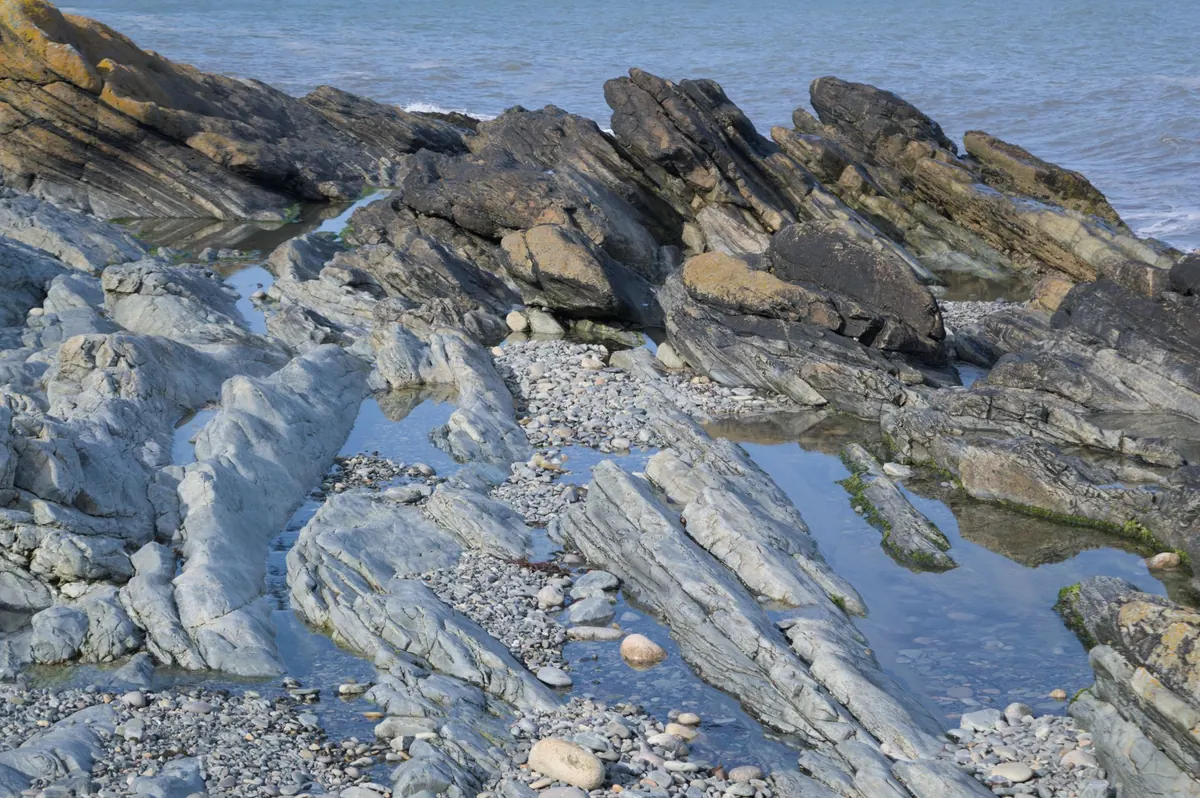
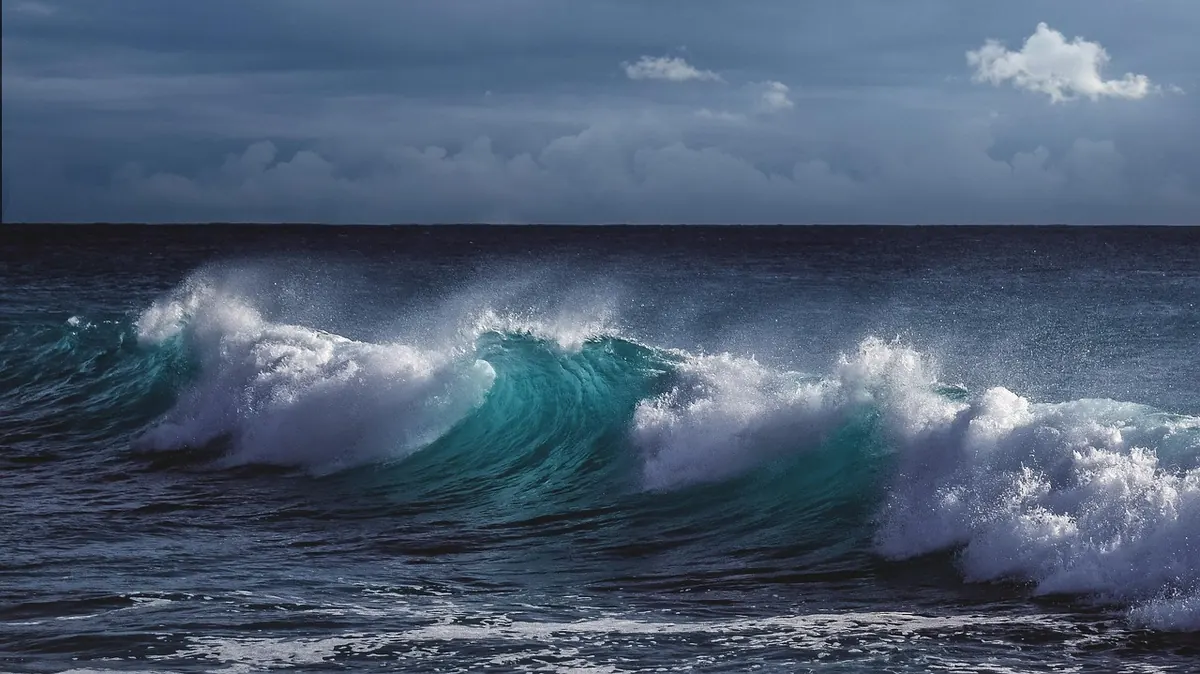
The tide is the least dramatic event on any coast, and the most thorough. It does not arrive; it accumulates. An hour passes and the sand you crossed is gone, though you never saw it leave. Sit on a harbour wall long enough and the waterline becomes a clock with a slow hand. These fifteen exercises borrow three habits of that movement — pacing, recurrence, and quiet transformation — and turn them into work you can do in a single sitting.
The Tide Has Three Habits Worth Stealing
Most drafts move at the speed of the writer's impatience, which is faster than any reader wants to travel. A tide shows the alternative: a shape with slack water at the start, a long middle that looks like nothing, and an arrival that feels sudden only because you stopped watching.
Its second habit is return. Twice a day the water comes back, and never identically — a shell moved, a footprint softened, a stone turned over. That gap between repetition and sameness is the whole engine of motif. Its third habit is change without announcement. Nothing in a tidal scene "happens," and by evening everything has.
Pacing: Five Exercises in Speed and Stillness
Use these when a scene reaches its point too quickly, or when the reader needs permission to wait.
- The Hour of One Object. Choose a single fixed thing — a jetty post, a rock pool, a length of rope — and describe two hours of rising water using only changes to that object. No people, no weather, no reflection. The constraint forces you to find increments: a wet line, a colour, a small sound. Aim for 200 words.
- Slack Water. Write a page in which nothing happens. Two people wait for something that arrives in the last line. Keep the tension alive through sound, small movements, and what the characters do with their hands. Explain nothing.
- Three Clocks. Draft the same scene three times: once covering ten minutes, once an hour, once a whole afternoon. Same events, different duration on the page. Read all three aloud and notice which one the material actually wants. It is usually the version that was hardest to write.
- Sentence Length as Tide Line. Rewrite a paragraph so its sentences rise: short, short, medium, longer, longer, then one abrupt sentence that lands like water over the wall. Then reverse it and let the tide go out. The ear will tell you which suits the scene.
- The Interval. Write the same reunion twice — two people meeting after an hour, then after twelve years. Keep the dialogue almost identical. Pacing lives in what the reader senses the characters have carried, not in how many events you stack up.
Recurrence: Five Exercises in Coming Back
Repetition is emphasis, and the tide is the great repeater. The difference between motif and redundancy is whether the returning thing has been altered by the interval.
- The Same Sentence. Open three short passages with the identical first sentence. Change only five details each time — an object, a light, a smell, a sound, a posture. Do not explain what has shifted. Readers will assemble the passage of time on their own.
- Refrain. Write a poem or a short prose piece built around one repeated line that returns four times. Let the surrounding text do the altering. By the fourth return, the line should mean something the first could not.
- Twice a Day. Render a character's morning in five sentences. Then render the same morning on a day when something is wrong, again in five sentences, reusing three of the same words. No adverbs of mood, no announcement of trouble.
- The Marked Stone. Place an object in a landscape and return to it three times across a piece. Give the visits 100 words, then 60, then 30. Compression makes the last visit feel like recognition rather than repetition.
- Ritual and Its Interruption. Build a scene on a repeated action — making tea, locking a door, checking a knot. Break the pattern once, late, and let the break carry the weight. A missing gesture can hit harder than a raised voice.
Transformation: Five Exercises in Quiet Change
Try these where the change in your draft currently arrives with too much noise — a confession, a speech, a sudden decision that the reader has not been prepared to believe.
- The Erasure. Write a scene in which a character loses something. Remove every mention of the loss itself and every named emotion. Show only what the water takes and what it leaves behind. If a reader can still feel it, the scene works.
- Inch by Inch. Pick one trait — stubbornness, generosity, a habit of apologising. Write four short passages across time in which the trait appears, each slightly stronger or weaker. Nobody in the story may say that it changed.
- The Reluctant Arrival. Write the moment a character changes their mind with no interior reflection at all: gesture, object, dialogue. A hand on a door frame. A dropped key. The decision has to be visible from outside.
- What the Water Leaves. Write a scene that begins after the argument. No flashback, no summary of what was said. Give us the table, the room, the person's hands. Aftermath is the most convincing route to transformation and the least expensive.
- Low Tide Inventory. List what a departure has exposed — object by object, plain nouns, no adjectives with feeling in them. Then add two sentences of context at the end. The list does the emotional work; the sentences do the steering.
Write the tide, not the wave. The wave is an event; the tide is a life.
A Week of Tidal Practice
Fifteen exercises in one go will teach you nothing. Space them out, and read each piece aloud before you file it away.
- Day one. The Hour of One Object. Two hundred words, no editing.
- Day two. Three Clocks, applied to a scene you already have on file.
- Day three. The Same Sentence, three passages of eighty words.
- Day four. Ritual and Its Interruption. One page.
- Day five. The Reluctant Arrival. Half a page.
- Day six. Low Tide Inventory, then read the whole week aloud.
- Day seven. Rest, or walk a shoreline and note one thing that changed while you were looking elsewhere.
Reading a Draft the Way You Read a Tide Chart
A tide chart is not a story; it is a record of intervals. Read your own work with the same cold eye, marking where each scene sits on its own curve:
- Where does the draft move fastest, and does the material earn that speed?
- Which images or sentences return, and do they return changed?
- Can you point to the line where something turns? If the turn is a speech or an announcement, cut it and find the gesture underneath.
Keep a Tide Log
One small notebook, one page per week. Note the time, the waterline, and a single sentence about what changed since the last entry. Read it before you write; it is a reminder that observation is a habit rather than a mood, and that a page of small, accurate increments can carry more weight than a dramatic scene.
Do not attempt all fifteen exercises as a test of stamina. Choose three that make you uncomfortable, write them badly, and return to them in a month. The second attempt will be the interesting one, because you will have changed and the exercise will not have — which is exactly the effect these prompts are built to teach.
Photo: Jakub / Pexels