Trending

The first page of most sea journals says something like: the turquoise water lapped gently at the shore, whispering ancient secrets. It is not a crime. Everyone who has kept a notebook near the water has written a sentence like that, usually at nineteen, usually in August. The trouble is that a sentence like that holds nothing. Five years later you will not know whether you were on a shingle beach in a stiff wind or on a ferry with a paper cup of coffee, and the sea will have swallowed the evidence.
A sea journal becomes useful, and eventually far more interesting, when it behaves like a record rather than a postcard. What follows is a working method for beginners: how to start, what to write first, which words to distrust, and how to keep the habit alive past the second week.
Think of it as notes kept for one specific reader: you, in February, trying to remember what the coast was like on an ordinary Thursday. That reader does not need to be told the sea is beautiful. They need to know the wind was offshore, the water was colder than it looked, and the beach was empty except for a man collecting something in a bucket.
This is the difference between writing about the coast and writing it down. Writing about it drifts toward the decorative, because decoration is easy and observation is work. Writing it down forces you to choose details you can defend.
Feelings still belong here. Just set them next to something observable. "I felt small" is a claim. "The wave broke level with the harbour wall and I moved my bag two steps back" is evidence, and the smallness takes care of itself.
The quickest way to break the postcard habit is to make yourself log the basics before you are allowed a single adjective. Four lines, in any order:
Here is what that looks like before any literary ambition arrives:
Thursday, 18.40. Pebble beach north of the harbour wall. Wind from the left, enough to lift the corner of the notebook. Water grey-green, three rows of small waves with no white on them. Wet line about two metres further in than yesterday, judging by the weed. Surprise: a man swimming with a small dog standing on his back.
Notice what the entry doesn't do. It doesn't praise anything. It doesn't tell you the sea was majestic. It gives you the tide, the wind, the surprise, and a dog. Read that in five years and you are standing on the stones again.
Certain words arrive at the coast already worn out. They are not evil, but they do your noticing for you, which is the opposite of what a journal is for. Flag them when you catch yourself reaching. A short list: azure, turquoise, crystal-clear, pristine, untouched, hidden gem, breathtaking, majestic, glittering, sparkling, whispering, timeless, paradise.
Banning them outright is simpler than arguing with them. When one appears, don't delete it. Underline it, then write the thing you actually saw underneath.
Most decorative words are vague praise standing in for a fact. Trade them for a number, a comparison, or an action.
Comparison to ordinary things beats comparison to jewels every time. The sea is not a gemstone. It is closer to wet slate, dishwater, milk, a scratched mirror, a plate of green glass. Say which one it was that day.
Looking starts in the eyes and often stops there. Your feet, ears and nose are more honest instruments, and they produce details no brochure would ever print.
Does the wet sand hold your footprint, or does it fill in behind you? Does the shingle slide and knock, or hiss? Is the wind on your left ear only? How cold is the water at the ankle compared with the knee? Is the smell seaweed and salt, or diesel and fried food from the harbour? Where does the salt dry on your forearm, and how white does it go?
Write these while you are still wet. Sensation fades within the hour and what replaces it is a summary, and summaries are where the clichés get in.
A journal that only records the coast on its best behaviour becomes fiction by accident. The municipal beach in August is part of the coast. So is the plastic bottle wedged in the rocks, the man with the metal detector, the ferry horn, the queue for ice cream, the dog that steals a sandwich.
These details date an entry better than any adjective. They also tell you what you actually thought, which is the harder half of a journal to get down honestly. Record them flatly, without a moral attached. "Two carrier bags and a shoe in the weed line" will do more work than a paragraph about the tragedy of the oceans.
Include your own behaviour while you are at it. You came for solitude and left after ten minutes. You said good morning to a stranger and meant it. You took four photographs of the same rock. That is coastal observation too.
Most sea journals die in the second week. Not because the writer ran out of things to say, but because the ritual grew heavier than the available time: full pages expected, good paper, a fountain pen, a promised hour of reflection. Shrink it deliberately.
And never backfill. If you miss four days, write "missed four days" and carry on from today. Reconstructed entries are where accuracy goes to die.
Seven small tasks, one a day. None of them require more than ten minutes at the coast.
Two lines out of seven days is a good return. The point of a sea journal isn't to produce beautiful pages. It is to finish the season with a record you can trust, and to notice more while you are making it. Buy the cheap notebook. Start on a Tuesday, when nothing is happening and the light is ordinary. That is exactly the coast you will want to remember.
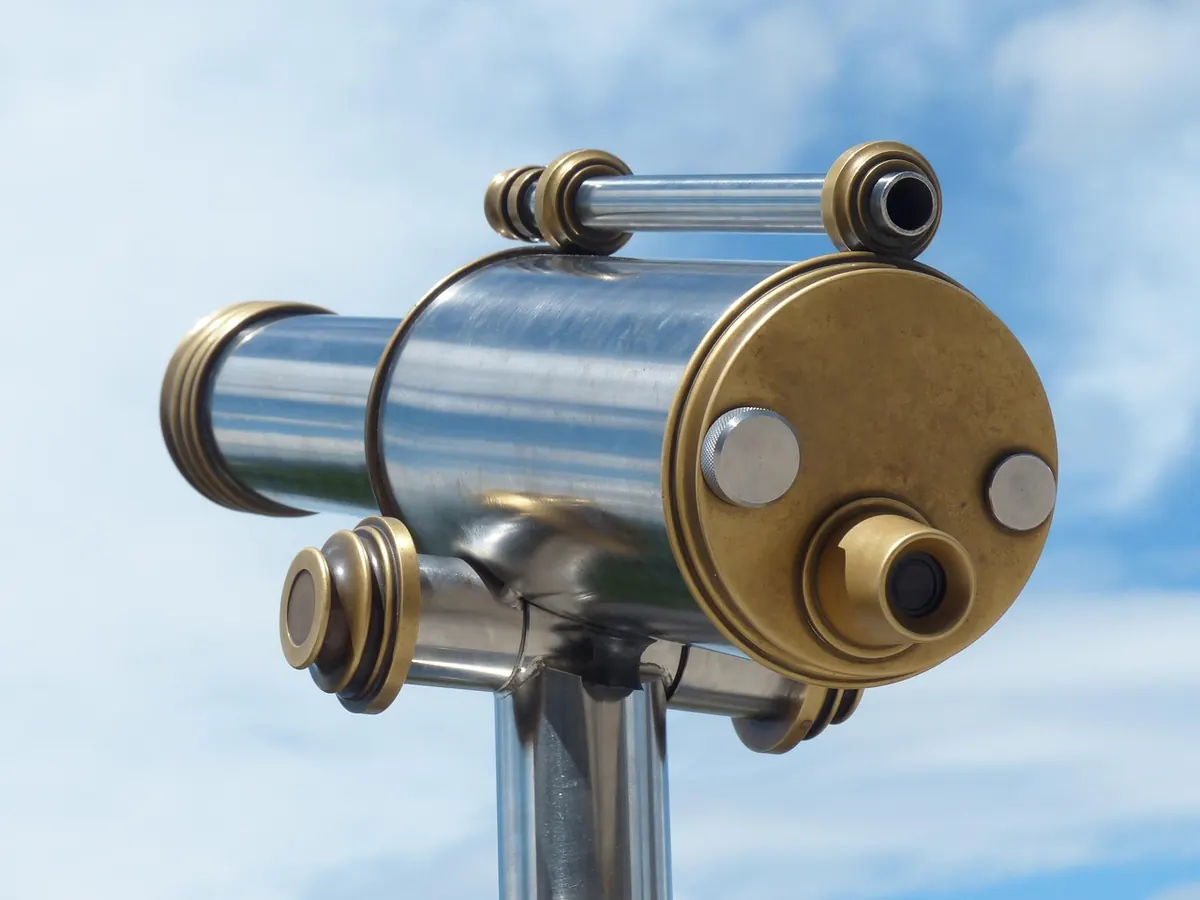
Photo: Hans / Pixabay